Yes, online banks are safe. As long as the bank is FDIC-insured, your deposits carry exactly the same federal protection you'd get at a branch bank: up to $250,000 per depositor, per bank, per ownership category. The insurance doesn't care whether the bank has buildings. What matters is the FDIC certificate behind the account, and you can verify any bank's status in about a minute.
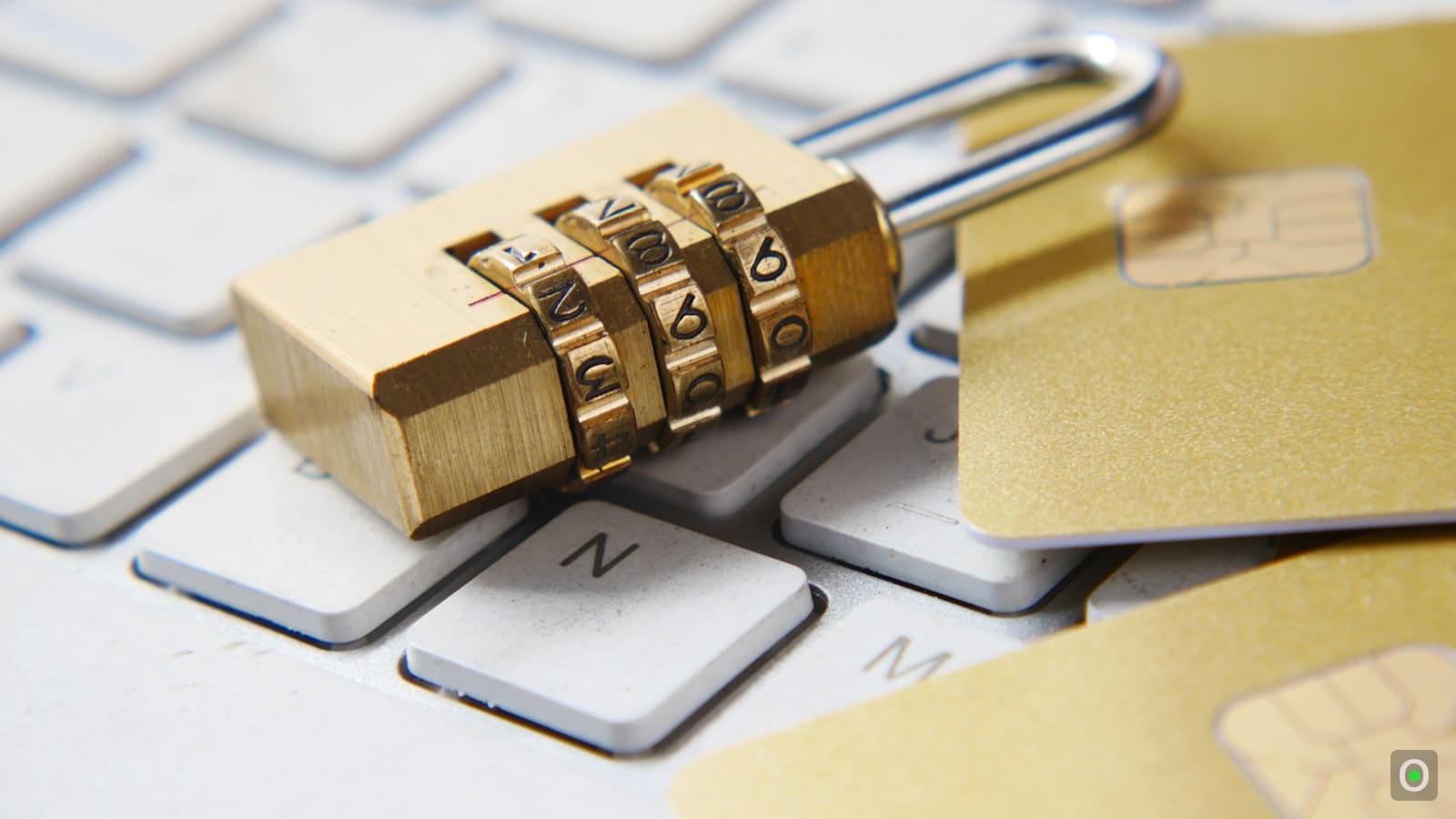
The anxiety is understandable: handing your savings to a bank you'll never walk into feels different. But "online bank" describes a business model, not a safety level. Most high-yield savings accounts with the best rates are offered by online banks precisely because skipping branches lets them pay depositors more; we cover that economics in how high-yield savings accounts work.
What does FDIC insurance actually cover?
FDIC insurance protects deposit accounts (checking, savings, money market deposit accounts, and CDs) up to $250,000 per depositor, per insured bank, per ownership category. If the bank fails, the federal government makes you whole up to that limit.
Two details in that sentence do a lot of work:
- Per bank. The limit applies separately at each insured institution. $200,000 at two different banks is $400,000 of fully insured money.
- Per ownership category. Single accounts, joint accounts, and certain retirement accounts are insured separately. A couple with a joint account can have more than $250,000 of coverage at one bank, since each co-owner's share is insured. The FDIC's deposit insurance FAQ explains the categories and has a calculator (EDIE) for complex situations.
What's not covered matters just as much: investment products like stocks, bonds, mutual funds, annuities, and crypto assets are never FDIC-insured, even when you bought them through an insured bank.
Has anyone ever lost FDIC-insured money?
No. The FDIC states that since coverage began on January 1, 1934, "no depositor has lost a penny of insured funds" as a result of a bank failure (FDIC: What We Do). Banks have failed plenty of times in the past ninety-plus years; insured depositors got their money anyway.
Speed is the underrated part. When a bank fails, the FDIC typically pays insured deposits within a few days, usually the next business day, either by moving accounts to another bank or by issuing checks.
How do I check if an online bank is FDIC-insured?
Look the bank up in FDIC BankFind, the agency's official database of insured institutions. Search by name and confirm the bank is listed as active and insured. Don't rely on a logo in a website footer. Logos can be copied; the database can't.
One nuance worth knowing: some savings apps and fintechs aren't banks at all. They hold your money at partner banks behind the scenes. That arrangement can still be insured, but the protection depends on how the accounts are structured, so with any app that isn't itself a bank, find out which insured bank actually holds your deposits before moving large sums.
What about credit unions?
Credit unions offer the same protection under a different name. Federally insured credit unions are covered by the National Credit Union Administration's Share Insurance Fund: also up to $250,000 per member, also backed by the full faith and credit of the U.S. government. The NCUA notes that no member has ever lost insured deposits at a federally insured credit union (NCUA: Share Insurance Coverage).
The real risks with online banks (and they're not bank failure)
For an insured account under the limit, the realistic risks are practical, not existential:
- Account takeover. Phishing and password reuse are the actual threats to your money online. Use a unique password and turn on two-factor authentication, the same hygiene you'd want at any bank.
- Transfer timing. Online savings accounts typically move money to external checking in one to three business days. That delay is a feature for savings discipline, but it means keeping some cash in checking for same-day needs.
- Rate changes. Savings rates float. That's a return risk, not a safety risk, and it applies at branch banks too.
If those trade-offs are acceptable, the payoff is substantial: online banks consistently pay far above the FDIC national average savings rate of 0.38% (as of July 2026). See our current high-yield savings picks for what a competitive rate looks like right now.
Frequently Asked Questions
- Are online banks FDIC-insured like regular banks?
- Many are, and when they are, the coverage is identical to a branch bank: up to $250,000 per depositor, per bank, per ownership category. Verify any bank's status in the FDIC's BankFind database before opening an account.
- What happens to my money if an online bank fails?
- The FDIC steps in and pays insured depositors, typically within a few days and usually by the next business day, either by transferring accounts to another bank or issuing a check. No depositor has lost insured funds since FDIC coverage began in 1934.
- Is it safe to keep more than $250,000 in one bank?
- Amounts above $250,000 in a single ownership category at a single bank are uninsured. You can extend coverage by using multiple banks or multiple ownership categories (for example, single and joint accounts), which the FDIC insures separately.
- Are savings apps and fintechs FDIC-insured?
- Not directly: apps that aren't banks hold customer money at partner banks. Coverage can pass through to you, but it depends on the account structure, so confirm which FDIC-insured bank holds your deposits before using a fintech app for large balances.
- Are credit unions as safe as banks?
- Yes. Federally insured credit unions are covered by the NCUA's Share Insurance Fund up to $250,000 per member, backed by the full faith and credit of the U.S. government, which is equivalent protection to FDIC insurance at banks.